Your live
game‑master assistant.
Sidebard listens to your table through a microphone. When it has something useful, a small card appears at the edge of your screen with a suggestion: the monster’s turn, the rule you half remember, a map of the room you just described. The space bar accepts the card, escape dismisses it. Nothing reaches your players until you do.
Three scenes of it. Watch a whole table →
It never cuts in
The reason this works at a real table: nothing it does reaches your players, or your game, until you say so.
01 It listens
The microphone is open all evening and nothing is ever said back. No wake word, no prompt, no second voice in the room. You talk to your players, not to it.
02 It offers
The card appears quietly at the edge of your screen. The game does not pause. Your players see nothing, and if you are busy it waits.
03 You decide
The space bar accepts the card, escape dismisses it. Ignore it and play on. Nothing reaches the table screen, the dice or the story until you press a key.
Every suggestion arrives with the work already done: dice thrown, modifiers added, the rule looked up. You are approving an answer, not asking a question. That is the whole difference between a co-DM and one more thing to operate while six people wait. Watch five of them arrive →
The cards it offers
Every one of them looks the same and is accepted the same way. The colour down the left is what kind of thing it is.
It is already listening
No wake word. No slash commands. No second screen to drive. Say the thing you were going to say anyway.
You describe the room. It draws the map.
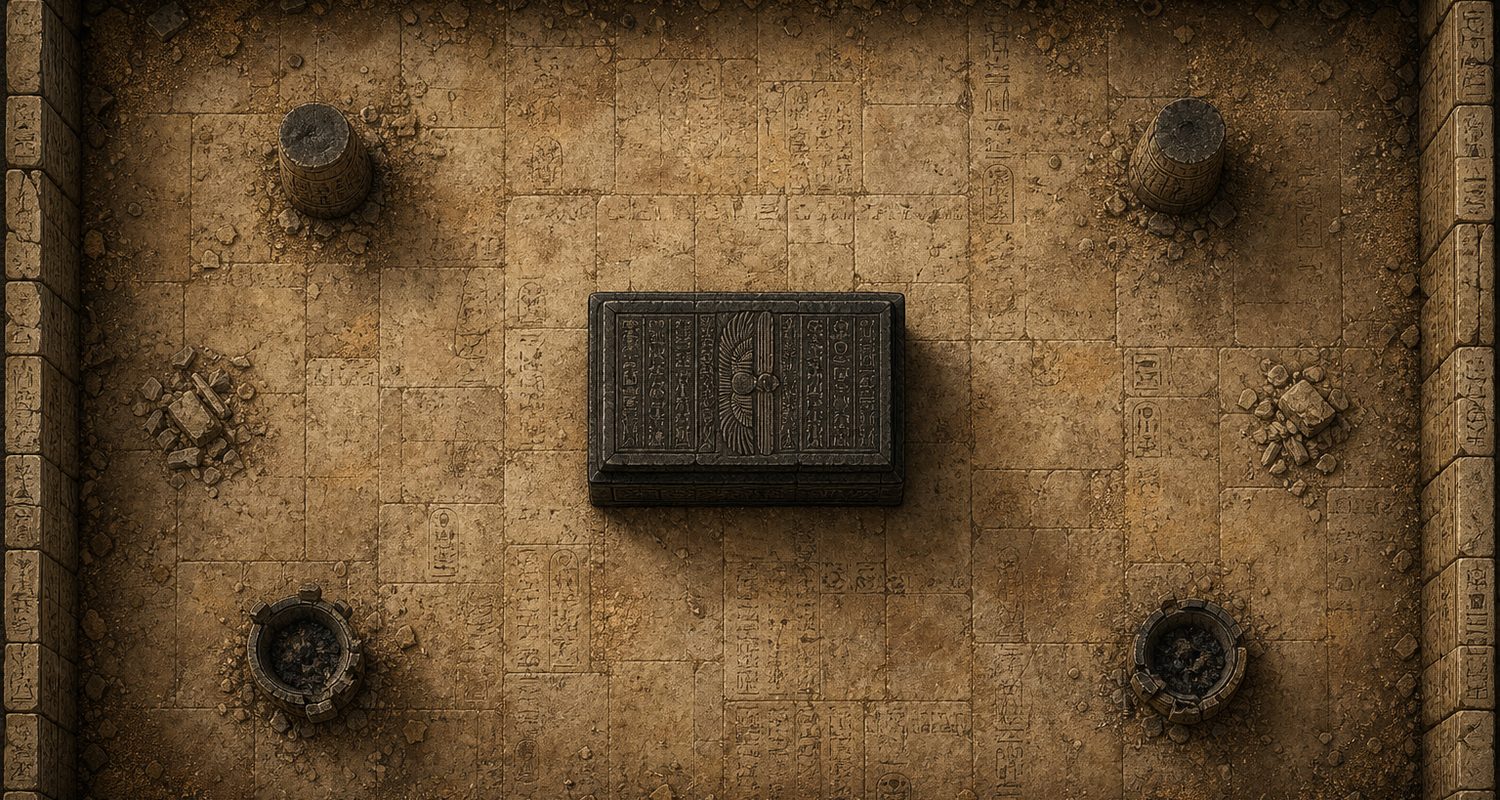
Press M and say what the room looks like. It is ready for the table screen in about a minute, while the party is still arguing about who opens the door. These three were made by Sidebard, and so was every other map on this page.
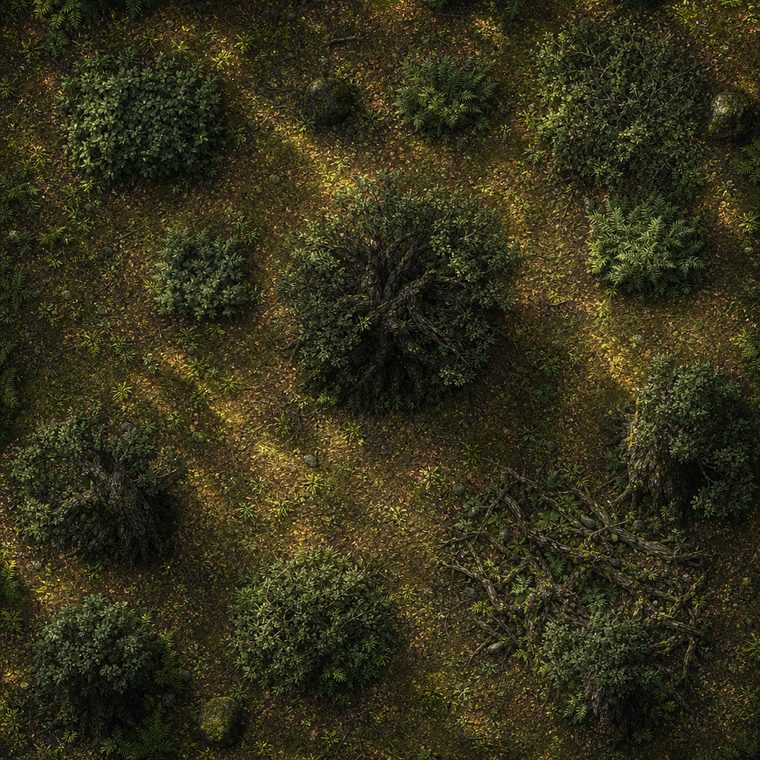
an old grove, roots everywhere, light coming through in patches
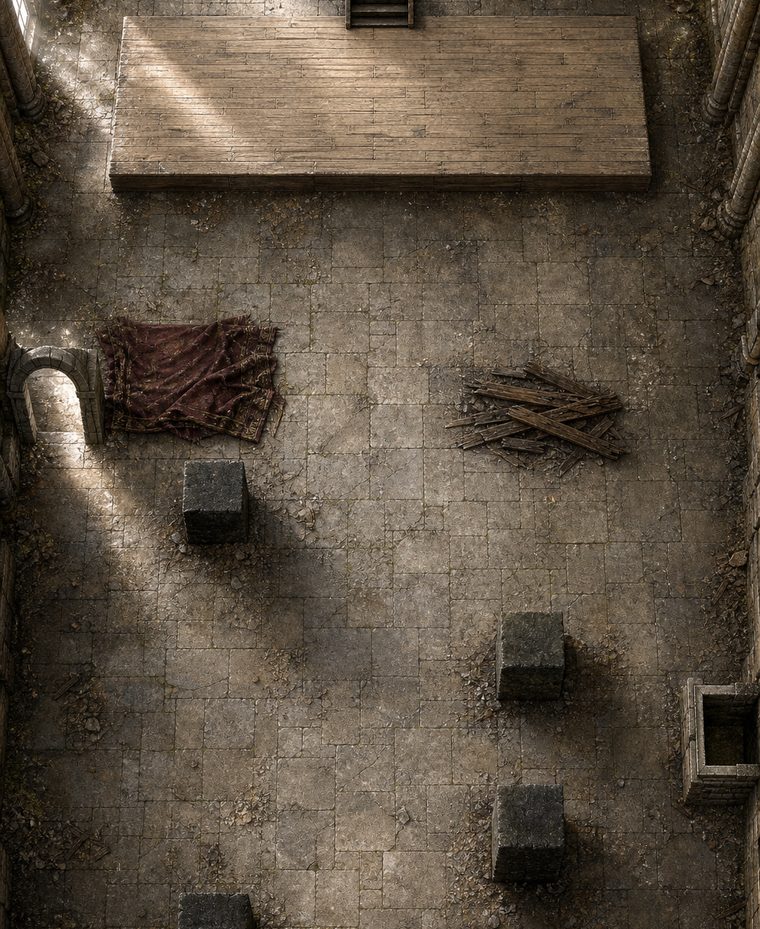
the great hall, long table down the middle, doors at both ends
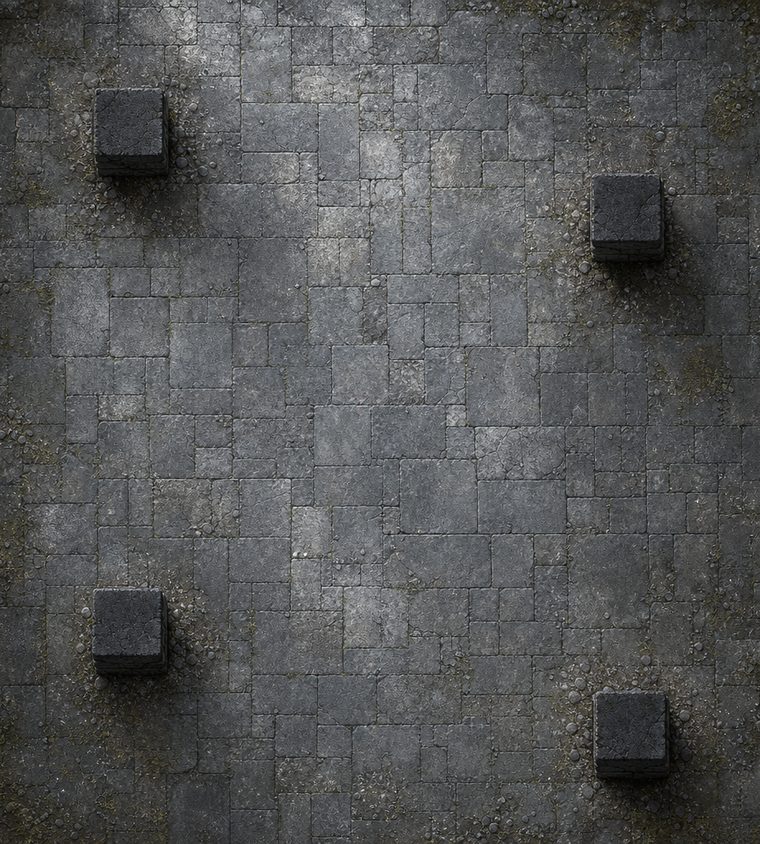
a square stone chamber with a pillar in each corner
Your table sees its half
A TV or monitor in the room, showing only what the party has actually earned.
- Fog
- Explored, never the whole dungeon at once
- Bloodied
- Monster health in words, never numbers
- Handouts
- A letter on the wall in one keypress
- Dice
- Rolled in from off screen when asked
- Order
- Whose turn it is, so nobody asks again
- Wiki
- Who they met, read between sessions
And it prepares the session with you
The half of the job nobody sees, laid out in the order you will actually run it.
- Scenes
- Tonight’s laid out in order, dragged into place
- Beats
- The campaign’s own threads, pulled in as you need them
- Fights
- Built for your party’s level and put on a scene
- Time
- What each scene costs, against how long you have
It also reads back. Who died, who lied, what the party never found: all of it goes into the campaign, so next week’s board starts from the game you really ran.
Two more things it will never do
Invent a monster. Stat blocks come from the rules, never from a language model. If a creature is not real, you are not offered it.
Take over your story. It remembers what happened and, when you ask, suggests what could come next. You decide what actually happens.
What it costs
From $2 a month, by how many hours your table plays. See the plans.
Pay as you go
$2 / month
Pay only for the hours you play
$1.50 an hour
Table
$10 / month
10 hours — most tables
then $1.00 an hour
Campaign
$20 / month
25 hours of play
then $0.85 an hour
An hour means an hour of microphone time, and only the parts where we can hear the table. The pizza arriving does not count. Hours you do not use roll over, on the plans that include hours. Extra hours are always opt-in: when they run out the microphone stops, everything else keeps working, and you decide what to do about it. On Pay as you go being billed by the hour is the plan. On any plan you can set a monthly spending limit, and we email you at $25 and $50 of extra hours in a month either way.
Everything Sidebard does is in every plan. Cancel from your account page, no notice period.
What you need
A Windows computer and something that can hear the table. That is most of it.
- Windows
- Windows 10 or 11. Mac is not available yet.
- A microphone
- One that can hear the table: a laptop mic works, a conference mic works better.
- Internet
- Voice, maps and suggestions need a connection. Your campaigns stay on your computer.
- A second screen
- Optional, and worth it. A TV or monitor plugged into your computer, for the battle map.
It is early days
Version one, and said plainly because you will find out anyway.
Sidebard has been run at a real table, and the spoken chain works: microphone to card to keypress. It is also new. Some rooms come back as a map you would not have drawn. Some rules questions it declines rather than guesses at, which is the right failure but still a failure to answer. A noisy table is harder for it than a quiet one.
That is why it is priced low and cancels in one click. What I want most from the first few hundred DMs is the sentence that starts “it did this and it shouldn’t have”. There is a feedback key inside the app, and a page here for everything else.
Your players are already sitting down.
Not tonight? I’ll write once when there is something worth saying.